Buy optout.eu ?
We are moving the project
optout.eu .
Are you interested in purchasing the domain
optout.eu ?
domain@kv-gmbh.de · 0541-91531010
Buy optout.eu ?
How is data protection for EC card payments?
Data protection for EC card payments is generally strong, as the European Union has strict regulations in place to protect the personal and financial data of cardholders. These regulations, such as the General Data Protection Regulation (GDPR), require businesses to implement strong security measures to safeguard cardholder information. Additionally, the use of encryption and tokenization technologies helps to ensure that sensitive data is protected during the payment process. Overall, data protection for EC card payments is a priority for financial institutions and businesses to maintain trust and security for their customers. **
What is data protection and security?
Data protection and security refer to the measures and practices put in place to safeguard data from unauthorized access, use, or disclosure. This includes protecting data from cyber threats such as hacking, malware, and phishing attacks, as well as ensuring compliance with privacy regulations and laws. Data protection and security also involve implementing encryption, access controls, and regular data backups to prevent data loss and maintain the integrity of sensitive information. Overall, data protection and security are essential for maintaining the confidentiality, integrity, and availability of data. **

Similar search terms for Card
Top-Angebote
Products related to Card:
-
PowerWalker SNMP Card 2 UPS Network Management Card (10131008)PowerWalker SNMP Card 2 is a slot-in network management card for compatible PowerWalker UPS units. It gives the UPS its own IP address, a web interface and SNMP support so the UPS can be monitored and managed over the network and shut servers down cleanly on power loss.224,49 £*Shipping: 0,00 £Secure redirect to the provider
-
Anker Gift CardWide Variety: Choose from a range of designs to find a gift card for any occasion. Convenient and Fast: After placing an order, gift cards can be sent to relatives and friends immediately by email. Easy to Use: Just use the gift card code at...300,00 $*Shipping: 0,00 $Secure redirect to the provider
-
Anker Gift CardWide Variety: Choose from a range of designs to find a gift card for any occasion. Convenient and Fast: After placing an order, gift cards can be sent to relatives and friends immediately by email. Easy to Use: Just use the gift card code at...50,00 $*Shipping: 0,00 $Secure redirect to the provider


-
What is more important, data protection or privacy?
Both data protection and privacy are important, but they serve different purposes. Data protection focuses on safeguarding the information collected and stored by organizations, ensuring it is secure from unauthorized access or breaches. Privacy, on the other hand, is about giving individuals control over their personal information and how it is used. Both are essential for maintaining trust and security in the digital age, and organizations should prioritize both data protection and privacy to ensure the safety and rights of their users. **
-
Which reseller hosting services offer privacy and data protection?
Many reseller hosting services offer privacy and data protection as part of their packages. Some popular options include SiteGround, Bluehost, and A2 Hosting. These providers offer features such as SSL certificates, regular backups, and secure data centers to ensure the privacy and protection of customer data. It's important to carefully review the privacy and security features offered by each reseller hosting service to ensure they meet your specific needs. **
-
What is the question about data protection and data security?
The question about data protection and data security revolves around how organizations can safeguard sensitive information from unauthorized access, breaches, and cyber threats. It also involves ensuring compliance with data protection regulations, such as the General Data Protection Regulation (GDPR) and the California Consumer Privacy Act (CCPA). Additionally, the question may address best practices for data encryption, access controls, regular security audits, and incident response plans to mitigate risks and protect data integrity. **
-
What is the difference between data protection and data security?
Data protection refers to the policies and procedures put in place to ensure that personal data is handled in compliance with privacy laws and regulations. This includes obtaining consent for data collection, limiting access to personal information, and ensuring data is accurate and up to date. On the other hand, data security focuses on protecting data from unauthorized access, use, or destruction. This includes measures such as encryption, firewalls, and access controls to prevent data breaches and cyber attacks. In summary, data protection is about the legal and ethical handling of personal data, while data security is about the technical measures used to protect that data from unauthorized access or misuse. **


What is a security card?
A security card is a physical or virtual card that is used to verify a person's identity or grant access to secure areas or information. It typically contains a unique code or chip that is scanned or entered into a system to confirm the user's identity. Security cards are commonly used in workplaces, government buildings, and financial institutions to ensure only authorized individuals can access certain areas or data. **
What is the Sparkasse's consent for data protection and inquiry?
The Sparkasse's consent for data protection and inquiry is a commitment to protecting the privacy and confidentiality of their customers' personal information. This includes ensuring that customer data is only used for the purposes for which it was collected and that it is not shared with third parties without the customer's consent. Additionally, the Sparkasse provides customers with the right to inquire about the data that is being collected and how it is being used, as well as the ability to request access to their personal information and make corrections if necessary. This commitment to data protection and inquiry helps to build trust and confidence with customers. **
Top-Angebote
Products related to Card:
-
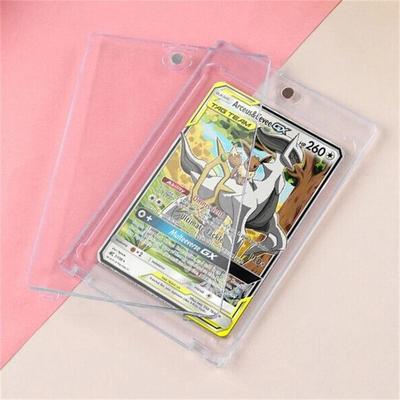
Drop Dash Deals Magnetic Card Holders For Trading Sports Cards UV Protection Magnetic Card Holders For Trading Sports Cards UV ProtectionProtect your valuable cards with our 30 pcs Magnetic Card Holders for Trading Sports Cards. Perfect for collectors, these holders offer UV protection and a sturdy, onetouch design, ensuring your sports cards remain in pristine condition. The hard...59,97 $*Shipping: 0,00 $Secure redirect to the provider
-
Uplift Picks Kids Wheel Card Game Fun Educational Family Board Card Game Kids Wheel Card Game Fun Educational Family Board Card GameBring excitement and learning together with this wheel card game designed especially for children. This interactive board card game keeps kids engaged through simple rules, colorful cards, and a spinning wheel that adds surprise to every turn. It...94,48 $*Shipping: 0,00 $Secure redirect to the provider
-
PowerWalker SNMP Card 2 UPS Network Management Card (10131008)PowerWalker SNMP Card 2 is a slot-in network management card for compatible PowerWalker UPS units. It gives the UPS its own IP address, a web interface and SNMP support so the UPS can be monitored and managed over the network and shut servers down cleanly on power loss.224,49 £*Shipping: 0,00 £Secure redirect to the provider
-
How is data protection for EC card payments?
Data protection for EC card payments is generally strong, as the European Union has strict regulations in place to protect the personal and financial data of cardholders. These regulations, such as the General Data Protection Regulation (GDPR), require businesses to implement strong security measures to safeguard cardholder information. Additionally, the use of encryption and tokenization technologies helps to ensure that sensitive data is protected during the payment process. Overall, data protection for EC card payments is a priority for financial institutions and businesses to maintain trust and security for their customers. **
-
What is data protection and security?
Data protection and security refer to the measures and practices put in place to safeguard data from unauthorized access, use, or disclosure. This includes protecting data from cyber threats such as hacking, malware, and phishing attacks, as well as ensuring compliance with privacy regulations and laws. Data protection and security also involve implementing encryption, access controls, and regular data backups to prevent data loss and maintain the integrity of sensitive information. Overall, data protection and security are essential for maintaining the confidentiality, integrity, and availability of data. **
-
What is more important, data protection or privacy?
Both data protection and privacy are important, but they serve different purposes. Data protection focuses on safeguarding the information collected and stored by organizations, ensuring it is secure from unauthorized access or breaches. Privacy, on the other hand, is about giving individuals control over their personal information and how it is used. Both are essential for maintaining trust and security in the digital age, and organizations should prioritize both data protection and privacy to ensure the safety and rights of their users. **
-
Which reseller hosting services offer privacy and data protection?
Many reseller hosting services offer privacy and data protection as part of their packages. Some popular options include SiteGround, Bluehost, and A2 Hosting. These providers offer features such as SSL certificates, regular backups, and secure data centers to ensure the privacy and protection of customer data. It's important to carefully review the privacy and security features offered by each reseller hosting service to ensure they meet your specific needs. **
Similar search terms for Card
-
Anker Gift CardWide Variety: Choose from a range of designs to find a gift card for any occasion. Convenient and Fast: After placing an order, gift cards can be sent to relatives and friends immediately by email. Easy to Use: Just use the gift card code at...300,00 $*Shipping: 0,00 $Secure redirect to the provider
-
Anker Gift CardWide Variety: Choose from a range of designs to find a gift card for any occasion. Convenient and Fast: After placing an order, gift cards can be sent to relatives and friends immediately by email. Easy to Use: Just use the gift card code at...50,00 $*Shipping: 0,00 $Secure redirect to the provider
-
Anker Gift CardWide Variety: Choose from a range of designs to find a gift card for any occasion. Convenient and Fast: After placing an order, gift cards can be sent to relatives and friends immediately by email. Easy to Use: Just use the gift card code at...100,00 $*Shipping: 0,00 $Secure redirect to the provider
-
Anker Gift CardWide Variety: Choose from a range of designs to find a gift card for any occasion. Convenient and Fast: After placing an order, gift cards can be sent to relatives and friends immediately by email. Easy to Use: Just use the gift card code at...100,00 $*Shipping: 0,00 $Secure redirect to the provider
-
What is the question about data protection and data security?
The question about data protection and data security revolves around how organizations can safeguard sensitive information from unauthorized access, breaches, and cyber threats. It also involves ensuring compliance with data protection regulations, such as the General Data Protection Regulation (GDPR) and the California Consumer Privacy Act (CCPA). Additionally, the question may address best practices for data encryption, access controls, regular security audits, and incident response plans to mitigate risks and protect data integrity. **
-
What is the difference between data protection and data security?
Data protection refers to the policies and procedures put in place to ensure that personal data is handled in compliance with privacy laws and regulations. This includes obtaining consent for data collection, limiting access to personal information, and ensuring data is accurate and up to date. On the other hand, data security focuses on protecting data from unauthorized access, use, or destruction. This includes measures such as encryption, firewalls, and access controls to prevent data breaches and cyber attacks. In summary, data protection is about the legal and ethical handling of personal data, while data security is about the technical measures used to protect that data from unauthorized access or misuse. **
-
What is a security card?
A security card is a physical or virtual card that is used to verify a person's identity or grant access to secure areas or information. It typically contains a unique code or chip that is scanned or entered into a system to confirm the user's identity. Security cards are commonly used in workplaces, government buildings, and financial institutions to ensure only authorized individuals can access certain areas or data. **
-
What is the Sparkasse's consent for data protection and inquiry?
The Sparkasse's consent for data protection and inquiry is a commitment to protecting the privacy and confidentiality of their customers' personal information. This includes ensuring that customer data is only used for the purposes for which it was collected and that it is not shared with third parties without the customer's consent. Additionally, the Sparkasse provides customers with the right to inquire about the data that is being collected and how it is being used, as well as the ability to request access to their personal information and make corrections if necessary. This commitment to data protection and inquiry helps to build trust and confidence with customers. **
* All prices are inclusive of VAT and, if applicable, plus shipping costs. The offer information is based on the details provided by the respective shop and is updated through automated processes. Real-time updates do not occur, so deviations can occur in individual cases. ** Note: Parts of this content were created by AI.