Buy optout.eu ?
We are moving the project
optout.eu .
Are you interested in purchasing the domain
optout.eu ?
domain@kv-gmbh.de · 0541-91531010
Buy optout.eu ?
What causes fear of dishcloths?
The fear of dishcloths, known as Spongiophobia, can be caused by a variety of factors. Some individuals may have had a traumatic experience involving dishcloths, such as being startled by one or having a negative association with them. Others may have a general fear of germs or contamination, leading them to fear using or touching dishcloths. Additionally, some people may have a sensory aversion to the texture or smell of dishcloths, which can contribute to their fear. Overall, the fear of dishcloths can stem from a combination of past experiences, phobias, and sensory sensitivities. **
How do you wash dishcloths and sponges?
To wash dishcloths and sponges, you can either hand wash them or put them in the washing machine with hot water and detergent. If you choose to hand wash them, use hot, soapy water and scrub them thoroughly before rinsing and allowing them to air dry. If using the washing machine, make sure to use the hottest water setting and a small amount of bleach to kill any bacteria. It's important to wash dishcloths and sponges regularly to prevent the spread of germs and bacteria in the kitchen. **


Similar search terms for Dishcloths
Top-Angebote
Products related to Dishcloths:
-
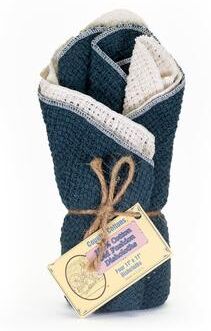
"Country Cottons 100 Percent Old Fashion Cotton Dishcloths 11""x11"" Set of 4 (2 natural color mixed with 2 colors of your choice)"Even in this age of all types of man-made materials, nothing can match cotton for strength, durability, feel and beauty. These dishcloths are made with the integrity that was so common in products manufactured generations ago.23,29 $*Shipping: 0,00 $Secure redirect to the provider


-
How do I properly clean microfiber dishcloths?
To properly clean microfiber dishcloths, start by rinsing them in hot water to remove any food particles and debris. Then, wash them in the washing machine with a mild detergent on a gentle cycle. Avoid using fabric softener or bleach, as these can damage the microfiber material. After washing, air dry the dishcloths or tumble dry on low heat. It's important to regularly clean microfiber dishcloths to prevent the buildup of bacteria and odors. **
-
What can be done about smelly kitchen dishcloths?
To address smelly kitchen dishcloths, it's important to regularly wash them with hot water and detergent to remove any built-up bacteria and food particles. Additionally, allowing the dishcloths to fully dry between uses can help prevent odor-causing bacteria from thriving. Consider using a disinfectant or vinegar solution to soak the dishcloths before washing to further eliminate odors. Finally, replacing dishcloths regularly can also help prevent persistent smells. **
-
What is data protection and security?
Data protection and security refer to the measures and practices put in place to safeguard data from unauthorized access, use, or disclosure. This includes protecting data from cyber threats such as hacking, malware, and phishing attacks, as well as ensuring compliance with privacy regulations and laws. Data protection and security also involve implementing encryption, access controls, and regular data backups to prevent data loss and maintain the integrity of sensitive information. Overall, data protection and security are essential for maintaining the confidentiality, integrity, and availability of data. **
-
What is more important, data protection or privacy?
Both data protection and privacy are important, but they serve different purposes. Data protection focuses on safeguarding the information collected and stored by organizations, ensuring it is secure from unauthorized access or breaches. Privacy, on the other hand, is about giving individuals control over their personal information and how it is used. Both are essential for maintaining trust and security in the digital age, and organizations should prioritize both data protection and privacy to ensure the safety and rights of their users. **


Can towels, dishcloths, underwear, and socks be washed together in one drum?
It is not recommended to wash towels, dishcloths, underwear, and socks together in one drum. Towels can produce a lot of lint, which can stick to the other items. Underwear and socks may also contain bacteria that you wouldn't want to transfer to your towels or dishcloths. It's best to wash these items separately to ensure they are cleaned effectively and hygienically. **
Can you wash towels, dishcloths, underwear, and socks together in one drum?
It is generally recommended to wash towels, dishcloths, underwear, and socks separately to prevent the transfer of bacteria and germs. Towels and dishcloths can harbor more bacteria and should be washed separately from personal items like underwear and socks. Washing these items together may not effectively clean and sanitize them. It is best to follow the care instructions on the garment labels and wash similar items together for the best results. **
Top-Angebote
Products related to Dishcloths:
-
"Country Cottons 100 Percent Old Fashion Cotton Dishcloths 11""x11"" Set of 4 (2 natural color mixed with 2 colors of your choice)"Even in this age of all types of man-made materials, nothing can match cotton for strength, durability, feel and beauty. These dishcloths are made with the integrity that was so common in products manufactured generations ago.23,29 $*Shipping: 0,00 $Secure redirect to the provider
-
What causes fear of dishcloths?
The fear of dishcloths, known as Spongiophobia, can be caused by a variety of factors. Some individuals may have had a traumatic experience involving dishcloths, such as being startled by one or having a negative association with them. Others may have a general fear of germs or contamination, leading them to fear using or touching dishcloths. Additionally, some people may have a sensory aversion to the texture or smell of dishcloths, which can contribute to their fear. Overall, the fear of dishcloths can stem from a combination of past experiences, phobias, and sensory sensitivities. **
-
How do you wash dishcloths and sponges?
To wash dishcloths and sponges, you can either hand wash them or put them in the washing machine with hot water and detergent. If you choose to hand wash them, use hot, soapy water and scrub them thoroughly before rinsing and allowing them to air dry. If using the washing machine, make sure to use the hottest water setting and a small amount of bleach to kill any bacteria. It's important to wash dishcloths and sponges regularly to prevent the spread of germs and bacteria in the kitchen. **
-
How do I properly clean microfiber dishcloths?
To properly clean microfiber dishcloths, start by rinsing them in hot water to remove any food particles and debris. Then, wash them in the washing machine with a mild detergent on a gentle cycle. Avoid using fabric softener or bleach, as these can damage the microfiber material. After washing, air dry the dishcloths or tumble dry on low heat. It's important to regularly clean microfiber dishcloths to prevent the buildup of bacteria and odors. **
-
What can be done about smelly kitchen dishcloths?
To address smelly kitchen dishcloths, it's important to regularly wash them with hot water and detergent to remove any built-up bacteria and food particles. Additionally, allowing the dishcloths to fully dry between uses can help prevent odor-causing bacteria from thriving. Consider using a disinfectant or vinegar solution to soak the dishcloths before washing to further eliminate odors. Finally, replacing dishcloths regularly can also help prevent persistent smells. **
Similar search terms for Dishcloths
-
What is data protection and security?
Data protection and security refer to the measures and practices put in place to safeguard data from unauthorized access, use, or disclosure. This includes protecting data from cyber threats such as hacking, malware, and phishing attacks, as well as ensuring compliance with privacy regulations and laws. Data protection and security also involve implementing encryption, access controls, and regular data backups to prevent data loss and maintain the integrity of sensitive information. Overall, data protection and security are essential for maintaining the confidentiality, integrity, and availability of data. **
-
What is more important, data protection or privacy?
Both data protection and privacy are important, but they serve different purposes. Data protection focuses on safeguarding the information collected and stored by organizations, ensuring it is secure from unauthorized access or breaches. Privacy, on the other hand, is about giving individuals control over their personal information and how it is used. Both are essential for maintaining trust and security in the digital age, and organizations should prioritize both data protection and privacy to ensure the safety and rights of their users. **
-
Can towels, dishcloths, underwear, and socks be washed together in one drum?
It is not recommended to wash towels, dishcloths, underwear, and socks together in one drum. Towels can produce a lot of lint, which can stick to the other items. Underwear and socks may also contain bacteria that you wouldn't want to transfer to your towels or dishcloths. It's best to wash these items separately to ensure they are cleaned effectively and hygienically. **
-
Can you wash towels, dishcloths, underwear, and socks together in one drum?
It is generally recommended to wash towels, dishcloths, underwear, and socks separately to prevent the transfer of bacteria and germs. Towels and dishcloths can harbor more bacteria and should be washed separately from personal items like underwear and socks. Washing these items together may not effectively clean and sanitize them. It is best to follow the care instructions on the garment labels and wash similar items together for the best results. **
* All prices are inclusive of VAT and, if applicable, plus shipping costs. The offer information is based on the details provided by the respective shop and is updated through automated processes. Real-time updates do not occur, so deviations can occur in individual cases. ** Note: Parts of this content were created by AI.