Buy optout.eu ?
We are moving the project
optout.eu .
Are you interested in purchasing the domain
optout.eu ?
domain@kv-gmbh.de · 0541-91531010
Buy optout.eu ?
"Sage lower classifications"
Sage lower classifications refer to the specific categories or subgroups within the broader classification of the plant genus Salvia, commonly known as sage. These lower classifications may include species, varieties, or cultivars that have distinct characteristics and are grouped together based on their genetic and morphological similarities. By organizing sage plants into lower classifications, it becomes easier for botanists and horticulturists to study, categorize, and understand the diversity within the genus Salvia. **
Is sage really poisonous?
Yes, sage can be poisonous if consumed in large quantities. The essential oils and compounds found in sage, such as thujone, can be toxic if ingested in large amounts. However, when used in culinary amounts, such as seasoning food, sage is safe to consume. It is important to use sage in moderation and consult with a healthcare professional if you have any concerns about its potential toxicity. **
Similar search terms for Sage-The-FusionCap
Top-Angebote
Products related to Sage-The-FusionCap:
-
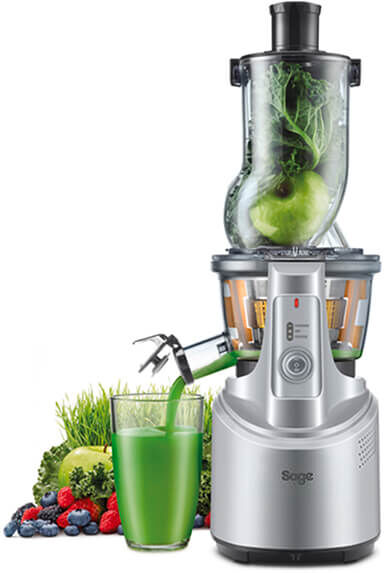
Sage The Big SqueezeSage The Big Squeeze features two feed chutes, one of which boasts a 81mm width that is large enough for juicing whole fruits like oranges, apples and carrots and a smaller sized chute which is suitable for berries and leafy greens. The spout allows juices and flavours to be mixed before you pour and with the plug included, allows The Big Squeeze to be rinsed and cleaned completely between juices. The 240 Watt motor allows a ultra quiet and smooth operation for easily extracting delicious juice at any time. The pulp collector and juice collector can be removed easily for cleaning and everything goes back together smoothly. For safety, The Big Squeeze will not start the operation until all of the parts are put together and locked in place. The direction button can move forward for juicing and reverse for unclogging the juicer when necessary. The following accessories are supplied with the Sage The Big Squeeze: 1.2L Juicing jug, pulp jug and cleaning brush. Dimensions: W34cm x D30cm x 48cm 220-240 Volts. The Big Squeeze is supplied with a Sage 5 year guarantee as well as a 20 year motor guarantee.418,95 £*Shipping: 0,00 £Secure redirect to the provider
-
Does dried sage stick?
Yes, dried sage can stick to surfaces. When dried sage is crushed or ground, it can release natural oils that make it sticky. This stickiness can help the dried sage adhere to food or other surfaces, making it a useful ingredient in cooking and seasoning. However, the stickiness of dried sage may vary depending on its quality and how it is processed. **
-
Who would win: Jiraiya in Sage Mode or Naruto in Sage Mode?
It is difficult to determine a clear winner between Jiraiya in Sage Mode and Naruto in Sage Mode as both characters are incredibly powerful and skilled in their own right. Jiraiya is a legendary Sannin with years of experience and a wide range of jutsu at his disposal, while Naruto is the protagonist of the series and possesses immense chakra and the ability to connect with the Nine-Tails. Ultimately, the outcome of a battle between the two would depend on various factors such as strategy, environment, and the specific circumstances of the fight. **
-
Does the budgerigar mainly eat sage?
No, the budgerigar does not mainly eat sage. Budgerigars are primarily seed eaters and their diet consists of a variety of seeds such as millet, canary grass seed, and smaller amounts of oats, wheat, and other seeds. While sage is safe for budgerigars to eat in small amounts, it is not a staple part of their diet. It is important to provide a balanced diet for budgerigars that includes a variety of seeds, fresh fruits, and vegetables. **
-
Where can I buy sage?
Sage can typically be found in health food stores, specialty spice shops, or in the spice section of most grocery stores. It is also widely available for purchase online through various retailers. Additionally, you may be able to find fresh sage at farmer's markets or in the produce section of some grocery stores. **
Does sage tea have caffeine?
No, sage tea does not contain caffeine. Sage tea is an herbal tea made from the leaves of the sage plant, which does not naturally contain caffeine. This makes it a good option for those looking to avoid caffeine in their beverages. Sage tea is known for its earthy flavor and potential health benefits, such as improving digestion and reducing inflammation. **
Can rabbits eat sage leaves?
Yes, rabbits can eat sage leaves in moderation as an occasional treat. Sage leaves are safe for rabbits to consume and can provide some nutritional benefits. However, it is important to introduce new foods slowly to prevent any digestive issues and to ensure that sage leaves do not make up a large portion of the rabbit's diet. Always consult with a veterinarian before making significant changes to your rabbit's diet. **
Top-Angebote
Products related to Sage-The-FusionCap:
-
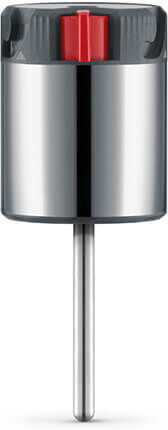
Sage The FusionCapUnlock the ultimate carbonation experience with the Sage FusionCap, designed to give you precise control over CO2 release when used with the Sage the Infizz Fusion sparkling carbonator. Whether you require a fast fizz, the FusionCap adapts to your needs. Featuring a unique and easy-to-use locking system, the FusionCap ensures a secure and effortless attachment. This innovative accessory is compatible with the Sage InFizz Fusion (BCA800) and Sage InFizz Bottles (available in 0.6L and 1L sizes).21,95 £*Shipping: 3,50 £Secure redirect to the provider
-
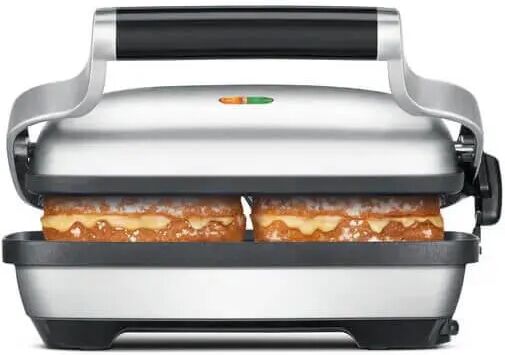
Sage The Perfect PressThe Sage Perfect Press features adjustable counterweight hinged top and bottom grill plates for perfectly grilling paninis, wraps and toasted sandwiches no matter the thickness. The top and bottom cooking plates are easy to clean due to the cooking surface. The Sage Perfect Press is compact and can be stored vertically for saving space where needed.98,95 £*Shipping: 0,00 £Secure redirect to the provider
-
Sage The Big SqueezeSage The Big Squeeze features two feed chutes, one of which boasts a 81mm width that is large enough for juicing whole fruits like oranges, apples and carrots and a smaller sized chute which is suitable for berries and leafy greens. The spout allows juices and flavours to be mixed before you pour and with the plug included, allows The Big Squeeze to be rinsed and cleaned completely between juices. The 240 Watt motor allows a ultra quiet and smooth operation for easily extracting delicious juice at any time. The pulp collector and juice collector can be removed easily for cleaning and everything goes back together smoothly. For safety, The Big Squeeze will not start the operation until all of the parts are put together and locked in place. The direction button can move forward for juicing and reverse for unclogging the juicer when necessary. The following accessories are supplied with the Sage The Big Squeeze: 1.2L Juicing jug, pulp jug and cleaning brush. Dimensions: W34cm x D30cm x 48cm 220-240 Volts. The Big Squeeze is supplied with a Sage 5 year guarantee as well as a 20 year motor guarantee.418,95 £*Shipping: 0,00 £Secure redirect to the provider
-
"Sage lower classifications"
Sage lower classifications refer to the specific categories or subgroups within the broader classification of the plant genus Salvia, commonly known as sage. These lower classifications may include species, varieties, or cultivars that have distinct characteristics and are grouped together based on their genetic and morphological similarities. By organizing sage plants into lower classifications, it becomes easier for botanists and horticulturists to study, categorize, and understand the diversity within the genus Salvia. **
-
Is sage really poisonous?
Yes, sage can be poisonous if consumed in large quantities. The essential oils and compounds found in sage, such as thujone, can be toxic if ingested in large amounts. However, when used in culinary amounts, such as seasoning food, sage is safe to consume. It is important to use sage in moderation and consult with a healthcare professional if you have any concerns about its potential toxicity. **
-
Does dried sage stick?
Yes, dried sage can stick to surfaces. When dried sage is crushed or ground, it can release natural oils that make it sticky. This stickiness can help the dried sage adhere to food or other surfaces, making it a useful ingredient in cooking and seasoning. However, the stickiness of dried sage may vary depending on its quality and how it is processed. **
-
Who would win: Jiraiya in Sage Mode or Naruto in Sage Mode?
It is difficult to determine a clear winner between Jiraiya in Sage Mode and Naruto in Sage Mode as both characters are incredibly powerful and skilled in their own right. Jiraiya is a legendary Sannin with years of experience and a wide range of jutsu at his disposal, while Naruto is the protagonist of the series and possesses immense chakra and the ability to connect with the Nine-Tails. Ultimately, the outcome of a battle between the two would depend on various factors such as strategy, environment, and the specific circumstances of the fight. **
Similar search terms for Sage-The-FusionCap
-
Does the budgerigar mainly eat sage?
No, the budgerigar does not mainly eat sage. Budgerigars are primarily seed eaters and their diet consists of a variety of seeds such as millet, canary grass seed, and smaller amounts of oats, wheat, and other seeds. While sage is safe for budgerigars to eat in small amounts, it is not a staple part of their diet. It is important to provide a balanced diet for budgerigars that includes a variety of seeds, fresh fruits, and vegetables. **
-
Where can I buy sage?
Sage can typically be found in health food stores, specialty spice shops, or in the spice section of most grocery stores. It is also widely available for purchase online through various retailers. Additionally, you may be able to find fresh sage at farmer's markets or in the produce section of some grocery stores. **
-
Does sage tea have caffeine?
No, sage tea does not contain caffeine. Sage tea is an herbal tea made from the leaves of the sage plant, which does not naturally contain caffeine. This makes it a good option for those looking to avoid caffeine in their beverages. Sage tea is known for its earthy flavor and potential health benefits, such as improving digestion and reducing inflammation. **
-
Can rabbits eat sage leaves?
Yes, rabbits can eat sage leaves in moderation as an occasional treat. Sage leaves are safe for rabbits to consume and can provide some nutritional benefits. However, it is important to introduce new foods slowly to prevent any digestive issues and to ensure that sage leaves do not make up a large portion of the rabbit's diet. Always consult with a veterinarian before making significant changes to your rabbit's diet. **
* All prices are inclusive of VAT and, if applicable, plus shipping costs. The offer information is based on the details provided by the respective shop and is updated through automated processes. Real-time updates do not occur, so deviations can occur in individual cases. ** Note: Parts of this content were created by AI.